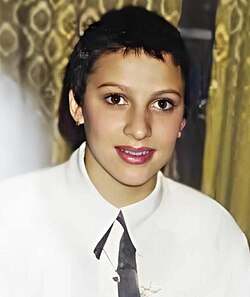
Her life, in her own name
The Story of Danguolė Rasalaitė
Danguolė Rasalaitė was born on May 19, 1983, in Telšiai, Lithuania, and grew up in the Šančiai district of Kaunas. According to investigation records from the Malmö police department (press reporting) and reporting by Swedish media (Sydsvenskan, 2000), she grew up under severe economic hardship in post-Soviet Lithuania. Following family instability and the departure of her mother to the United States, Danguolė left school and sought ways to support herself.
In the autumn of 1999, at age 16, a man offered her what was presented as agricultural or domestic work near Malmö, Sweden. Hoping to earn money to support her loved ones and send gifts to her childhood friends, Dalia and Kristina, she accepted. Lacking a personal passport, she traveled using the identity document of an acquaintance from Žiežmariai.
Her journey passed through Germany before arriving in Sweden. Upon her arrival in Malmö, her documents were immediately confiscated. She was held in an apartment in Arlöv and forced into prostitution to repay a fictitious debt of 20,000 Swedish kronor (SEK).
During her captivity in November and December 1999, Danguolė wrote three handwritten letters in Lithuanian to her friends in Kaunas, expressing her wish to return home to Lithuania and be reunited with them. These letters were never posted and were later seized by police investigators.
In mid-December 1999, she managed to escape from the Arlöv apartment. On January 6, 2000, she was found critically injured near the E22 highway bridge in Malmö. Taken to Malmö Hospital, she passed away four days later, on January 10, 2000, at the age of 16.
Her story and letters deeply affected Swedish society and contributed to the public awareness regarding human trafficking. In 2002, her memory inspired Lukas Moodysson's film Lilya 4-ever. This memorial was created to preserve her true name and real story with dignity and factual accuracy.